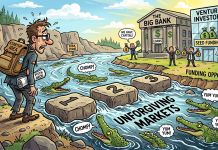
When you’re building or growing a small business, understanding credit — both business and personal — is a vital part of preparing to borrow money. While business and personal credit scores both measure your ability to repay debt, they serve different purposes, are calculated very differently, and influence lenders in distinct ways.
What Is a Business Credit Score?
A business credit score is a numerical representation of your company’s financial reputation and how likely it is to meet its financial obligations. Instead of tracking your personal financial history, it focuses on the business — how it manages bills, debts, credit accounts, and relationships with suppliers or vendors. Business credit scores are typically generated by commercial reporting agencies such as Dun & Bradstreet, Experian Business, and Equifax Business.
Different agencies may produce different scores, but they all use similar kinds of data:
- Payment history — whether your business pays bills on time
- Credit usage — how much of your available credit you use
- Credit relationships — both loans and vendor accounts
- Length of credit history — how long your business has been building credit
- Public records — like liens or bankruptcies
How Business Credit Scores Differ from Personal Credit Scores
A personal credit score reflects your history handling personal debt — like credit cards, auto loans, and mortgages. It is tied to your Social Security number and generally ranges from about 300 to 850. In contrast, business credit scores are often on a different scale, such as 0–100, and are linked to your business entity’s Employer Identification Number (EIN) or its D-U-N-S® Number, not your personal finances.
The data sources are different, too. Business credit scores can include industry risk and supplier reporting, whereas personal credit scores focus on consumer credit behavior. Business credit reports are typically easier for companies and lenders to access and review than personal credit reports, which are governed by stricter privacy laws.
Why Some Small Businesses Struggle to Build a Business Credit Score
One of the biggest challenges for many small businesses — especially newer ones — is a lack of trade credit data. Trade credit is the credit extended to a business by its suppliers or vendors (for example, net-30 terms on inventory). When vendors report these payment histories to credit bureaus, it can significantly boost a business’s credit profile.
However, not all vendors report payments, and many small businesses don’t use or establish trade credit early on. Without these tradelines, credit agencies have little data to score. That means a business might technically have a credit file, but it appears underdeveloped or even nonexistent to lenders. This lack of vendor reporting — especially in industries where supplier credit is rare — makes it hard to build a strong business credit score.
Another common issue is that young or very small businesses simply haven’t been in operation long enough to demonstrate a pattern of responsible financial behavior. Credit history length matters, and limited history can make lenders reluctant to rely on business credit alone.
Why Many Lenders Lean on Personal Credit Instead
Because robust business credit takes time and reporting to develop, lenders often turn to the business owner’s personal credit score when evaluating loan applications — especially for newer businesses or those without strong trade credit histories. A strong personal credit score helps compensate for a thin or weak business credit record by showing the owner’s track record of responsible repayment behavior.
This is common in small-dollar lending, startup financing, and in situations where the business does not yet have enough data to generate a reliable business credit profile. While not ideal, personal credit offers lenders a way to gauge risk when business credit alone isn’t sufficient.
Bottom Line
Business and personal credit both matter — but understanding how they differ and why they matter to lenders can help you make strategic decisions about financing. Building a strong business credit score takes time, intentional use of trade credit, and consistent financial management. In the meantime, maintaining a strong personal credit score can be crucial to your ability to secure the financing your business needs.