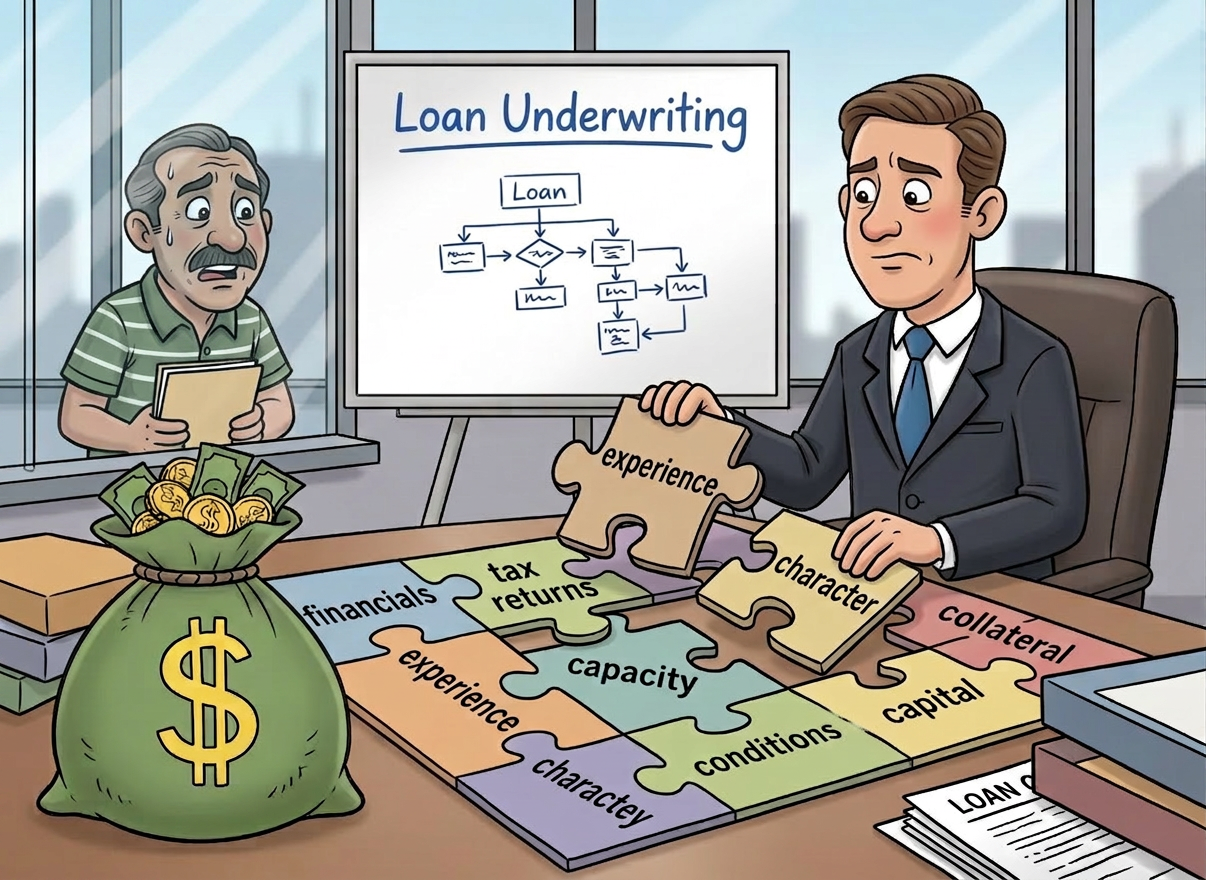
When applying for a small business loan, many entrepreneurs focus on the amount they need or the purpose of the funds. But from a lender’s perspective — especially a community lender like CEDF — the decision is based on a broader evaluation of the borrower’s ability to succeed and repay. Understanding what lenders look for can help you better prepare and improve your chances of approval.
Experience Matters — In Business and Industry
Lenders place significant value on experience running a business and experience within the specific industry. These are two separate but equally important factors.
Running a business requires organization, financial awareness, and decision-making skills. Industry experience ensures you understand customer expectations, operational challenges, and market dynamics. Together, they reduce the likelihood that you’ll be “learning on the job” with borrowed money — a risk lenders try to avoid.
A “Plan B” Shows Responsibility
Community lenders also look for a secondary source of income. This is your backup plan if the business doesn’t perform as expected right away.
Because most small business loans require a personal guarantee, lenders want to know how you will meet your obligations even during slow periods. A second income source signals financial resilience and reduces the risk of default. Entrepreneurs are sometimes too quick to quit a steady day job in order to concentrate on their venture. When trying to secure a business loan, a gradual transition is considered more prudent.
Financial Projections Must Be Credible
One of the most critical elements is credible financial projections. Lenders need to see, on paper, that your business will not run out of money prematurely.
This is where cash flow forecasting becomes essential. It demonstrates:
- When money will come in.
- When expenses must be paid.
- Whether there is enough liquidity to cover loan payments.
Strong projections show that you understand the financial mechanics of your business — not just the idea behind it. If you don’t have the spreadsheet skills to create a cash flow forecast yourself, turn to your accountant or an advisor from SCORE or SBDC for help. You’ll make a much better impression when you submit a loan application.
Credit History Still Counts
While CEDF may not have strict minimums, an acceptable credit score and improving trend are important. Credit reflects how you’ve managed financial obligations in the past.
Even if your score isn’t perfect, showing improvement and explaining past issues builds trust. Lenders are not just evaluating numbers — they’re evaluating behavior.
“Skin in the Game” Builds Confidence
A meaningful personal investment in the business is another key factor. Lenders want to see that you are sharing the risk.
If you have invested your own money, it demonstrates commitment and confidence. It also reassures the lender that you are less likely to walk away if challenges arise.
Spending Habits Reflect Financial Discipline
Your spending patterns — both personal and business — provide insight into how you manage money. Prudent, conservative spending suggests you will handle loan funds responsibly.
Sometimes success isn’t just about generating revenue — it’s about controlling expenses.
Attitude and Support System Matter Too
CDFIs look beyond numbers. A coachable personality — someone open to learning and guidance — is highly valued. Since CEDF provides advisory support, borrowers who are willing to engage and adapt are more likely to succeed.
Additionally, having a team of advisors — including an accountant, lawyer, and insurance agent — shows that you are building a support structure around your business. This reduces risk and strengthens decision-making. But develop these relationships before you knock on a lender’s door so you can honestly relate who your advisors are and how they have helped you. Consider the negative impression it would make if instead you asked the lender for referrals to all of these professionals instead. You should already have prepared!
The Big Picture
What sets community lenders apart is their willingness to look at the whole borrower, not just a single metric. While banks may rely heavily on credit scores or collateral, Community Development Financial Institutions (CDFIs) like CEDF evaluate experience, preparation, mindset, and potential too.
The takeaway is simple: securing financing is not just about needing money — it’s about demonstrating that you are prepared to use it wisely and repay it responsibly.