Purchasing a commercial building can be one of the most powerful long-term investments a small business owner makes. But buying commercial real estate through a community lender such as CEDF is very different from purchasing a home — and more complex than taking out a standard term loan. Understanding the process in advance can help you prepare strategically and avoid surprises.
Start With a Plan — and Adequate Capital
Unlike a residential purchase, commercial real estate typically requires at least 10%–20% down, depending on the loan structure. Many conventional commercial mortgages finance up to 80% of the lower of the purchase price or appraised value. SBA 504 loans — a popular option for owner-occupied properties — may allow 10% down, with financing split between a bank and a Certified Development Company. CEDF can refer you to organizations we partner with should this be required.
Before even searching for a property, business owners should begin to assess:
- What can I afford for a down payment and closing costs?
- What size building would meet both current and future business needs?
- What total square footage is needed for my business occupy at least 51% of the property (a requirement for many owner-occupied programs)?
- If a property needs improvements — what can I afford for repairs and upgrades?
Improvements can sometimes exceed the purchase price, especially if zoning compliance or major upgrades are required. That reality alone makes commercial transactions more complex than residential purchases.
The Underwriting Process Is More Intensive
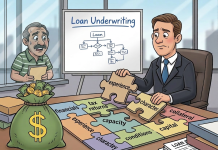
When applying for a commercial mortgage, lenders review far more than just personal income. They evaluate:
- Business tax returns and financial statements.
- Cash flow and ability to service debt.
- Global cash flow (business and personal combined).
- Rent rolls if tenants occupy part of the building (for lenders who permit this to be included).
- Personal credit scores of the guarantor(s).
- Strategic reasoning behind the purchase.
Community lenders want to see that the purchase makes business sense — for example, whether the mortgage payment is comparable to or better than your current lease.
This differs significantly from a residential loan, where underwriting primarily focuses on personal income and credit.
Environmental Reviews: A Unique Commercial Risk
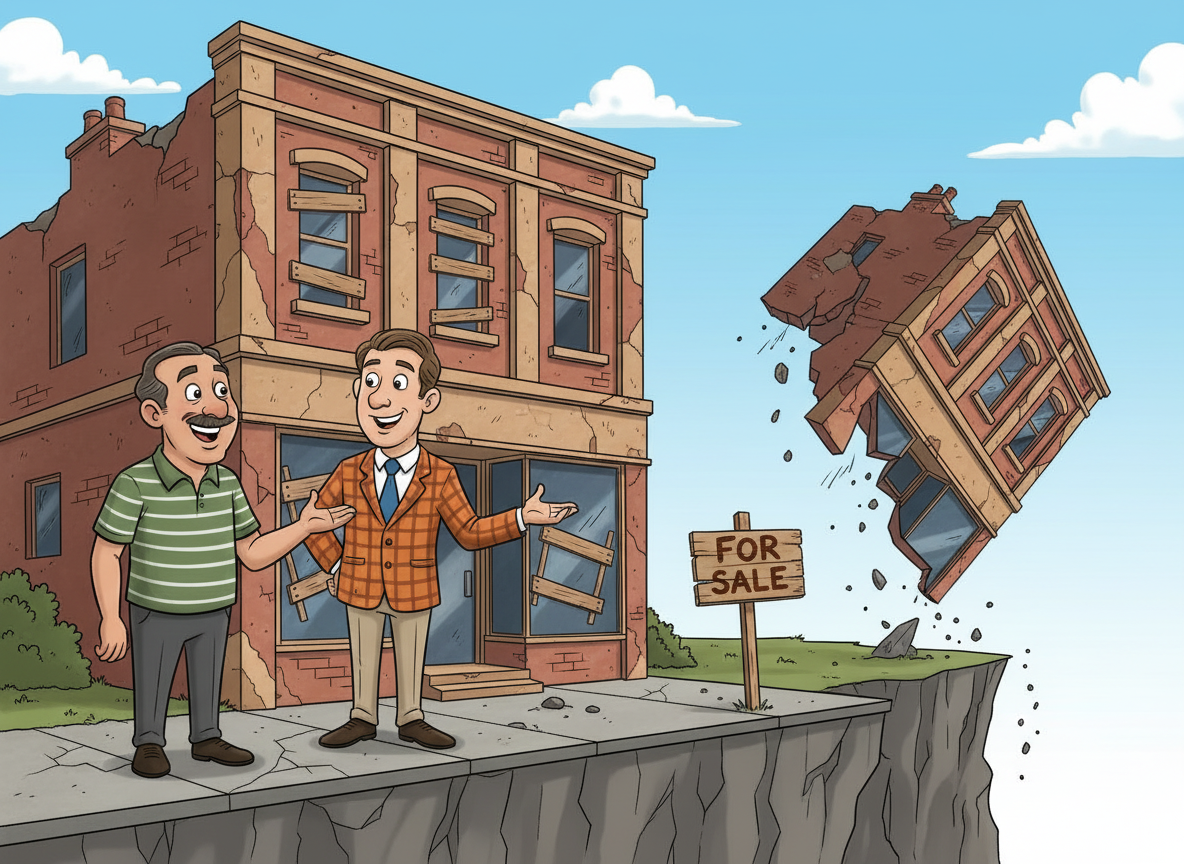
One of the biggest differences between residential and commercial transactions is the environmental review requirement. Before closing, lenders typically require an environmental screening, Phase I, or even Phase II environmental assessment.
- A basic environmental screening may cost several hundred dollars.
- A Phase I review can cost several thousand dollars.
- A Phase II, if contamination is suspected, can cost significantly more and may uncover remediation needs.
Environmental remediation can become a deal breaker, which is why this due diligence happens before closing. Residential transactions rarely involve this level of investigation.
Appraisals, Attorneys, and Title Work
Commercial appraisals are also more expensive and complex than residential appraisals, often costing several thousand dollars. The final loan amount is typically based on the lower of the purchase price or appraised value.
Closings require attorneys — often multiple attorneys — to manage title searches, lease reviews, mortgage documentation, and legal filings . Title insurance is mandatory, and additional insurance requirements may apply.
In many cases, lenders also require a separate holding company (LLC) to own the property, with the operating business leasing space from that entity.
Closing Costs Are Higher
Everything in a commercial transaction tends to cost more — environmental reviews, appraisals, attorneys, and overall closing costs. Conventional loans typically require the borrower to pay these costs separately from the down payment.
The Bottom Line
Buying a commercial building through a community lender like CEDF can strengthen your business long term — building equity, stabilizing occupancy costs, and supporting growth. But it requires careful planning, strong financial documentation, and readiness for additional due diligence not present in residential deals or simple term loans.
The best first step? Have a conversation with your lender early. Understanding the process upfront can help you approach your commercial real estate purchase with clarity and confidence.