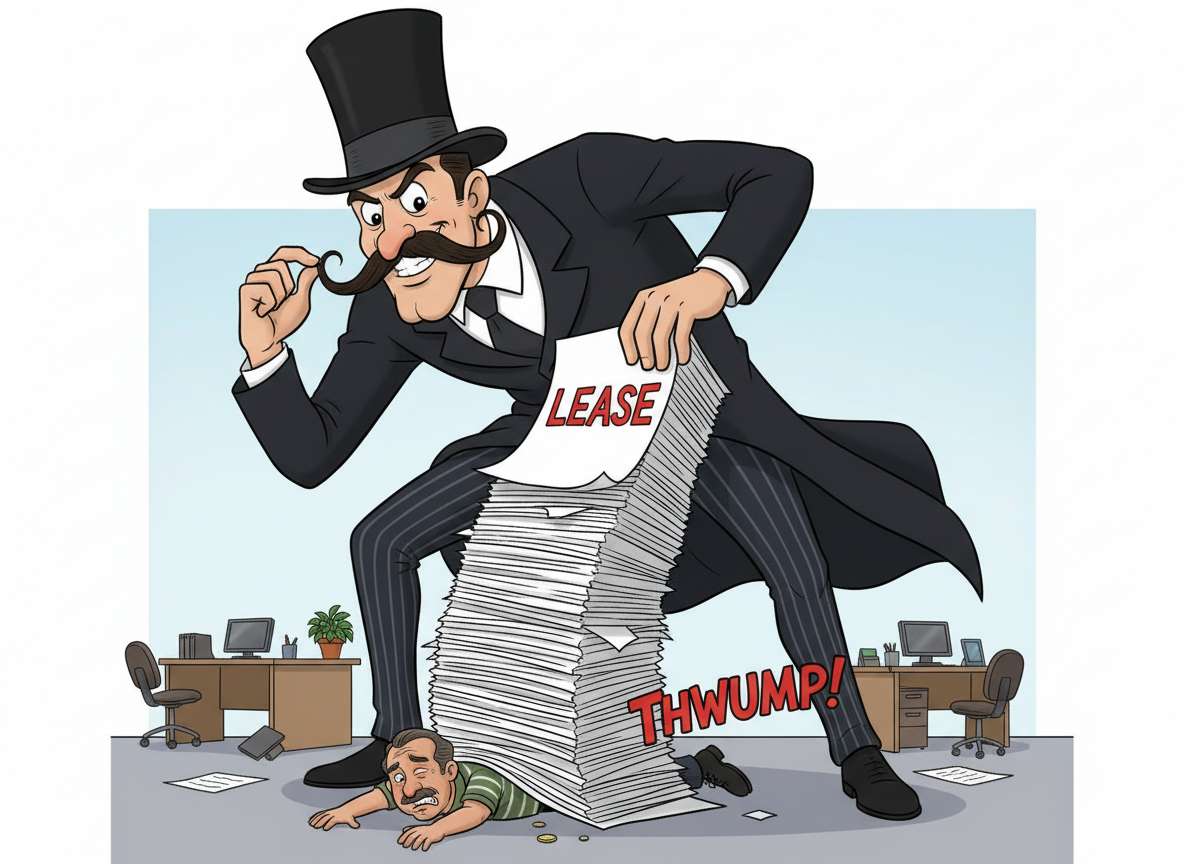
A well-negotiated lease improves a business’s cash flow, flexibility, and risk profile, all of which are key factors lenders evaluate when determining loan eligibility. Favorable lease terms signal strong management and financial discipline, increasing a lender’s confidence in the business’s ability to repay and grow sustainably.
Leasing commercial space is one of the most important — and often underestimated — decisions a small business owner will make. Because of the expense of space in many business categories, a well-negotiated lease While it may seem similar to renting an apartment or home, commercial leasing is far more complex and carries significantly greater financial and legal implications. Understanding the basics — and working with the right legal counsel — can protect your business and set you up for long-term success.
Commercial Leases Are Not Standardized
Unlike residential leases, which are often standardized and regulated, commercial leases are highly negotiable. Every term — from rent structure to maintenance responsibilities — can vary widely depending on the landlord, property type, and market conditions.
Key elements of a commercial lease typically include:
- Base rent and additional costs (such as taxes, insurance, and maintenance)
- Lease term and renewal options
- Responsibility for repairs and improvements
- Use restrictions and zoning compliance
- Exit clauses or early termination provisions
Because these terms are negotiable, what you agree to can significantly impact your business’s profitability and flexibility over time.
Understanding the True Cost of Occupancy
One of the most common mistakes business owners make is focusing only on base rent. Many commercial leases include additional expenses — often referred to as CAM (Common Area Maintenance), taxes, and insurance — that can substantially increase the total cost.
Without careful review, a lease that appears affordable can become burdensome. A clear understanding of the full financial commitment is essential before signing.
Flexibility Matters More Than You Think
A lease is not just a cost — it’s a long-term commitment that should align with your business strategy. Questions to consider include:
- Can you expand if your business grows?
- Can you sublease if your needs change?
- Are there options to renew at predictable rates?
Negotiating flexibility upfront can prevent costly limitations later. Once a lease is signed, these terms are difficult — and often impossible — to change.
Why Legal Counsel Is Critical
Because commercial leases are complex legal contracts, having an attorney is not optional — it’s essential. An experienced attorney does more than review documents; they help you understand the risks and negotiate better terms.
Specifically, a qualified attorney can:
- Identify unfavorable or one-sided clauses
- Clarify financial obligations and hidden costs
- Negotiate improved economic terms, such as rent concessions or tenant improvement allowances
- Add protections that reduce your long-term risk
- Ensure the lease aligns with your business operations
Just as importantly, the right attorney doesn’t just understand contract law — they understand how leases affect real businesses. They can advocate on your behalf to secure terms that provide both affordability and operational flexibility.
Reducing Risk Through Preparation
Leasing space is often one of the largest fixed expenses a business will take on. Entering into a lease without proper guidance can expose your business to unnecessary risk — including being locked into unfavorable terms or unexpected costs.
By taking the time to:
- Understand the structure of the lease
- Evaluate the full financial impact
- Negotiate key terms
- Engage experienced legal counsel
—you position your business for stability and growth.
The Bottom Line
A commercial lease is more than just a place to operate — it’s a strategic decision that can either support or hinder your success. With the right preparation and professional guidance, you can secure a lease that not only meets your current needs but also gives your business the flexibility to thrive in the future.
Watch our recent webinar for more specifics and expert commentary from an attorney.