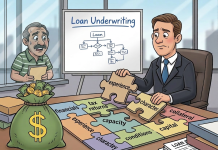
Applying for a small business loan can feel overwhelming. But understanding why loan applications fail is one of the best ways to improve your odds of success. Community lenders like CEDF are mission-driven and flexible, yet they still must ensure that each loan has a reasonable chance of being repaid. By avoiding common pitfalls, you can position your business as a strong candidate for financing.
1. Lack of Industry Experience
Passion is important — but experience matters. Lenders want to see that you understand the industry you’re entering. Certain sectors, like restaurants or retail, are highly competitive and operationally complex. Demonstrating hands-on experience or progressive management responsibility reassures a lender that you understand the risks and challenges ahead.
2. Weak or Missing Business Plan
A lender cannot approve a loan based on a conversation alone. A clear, written business plan is essential. It should explain your business model, target market, competitive landscape, and how loan funds will be used. A well-prepared plan shows discipline and seriousness.
3. Not Understanding Your Own Numbers
It’s perfectly acceptable to get help preparing financial projections. However, you must understand the assumptions behind them. If you can’t explain how you arrived at your revenue or expense figures, it raises concerns about whether you truly grasp your business’s financial realities.
4. Unrealistic Financial Projections
Overly optimistic sales growth or underestimated expenses quickly undermine credibility. Lenders compare projections against industry standards and historical trends. Conservative, well-supported numbers build trust and demonstrate maturity.
5. Poor Cash Flow Planning
You must generate profit to repay your loan, but cash flow is important too. Many applications fail because they don’t account for timing delays, such as building a customer base or collecting receivables. Showing that you understand working capital needs and seasonal fluctuations reassures lenders that you won’t run out of money prematurely.
6. Credit Issues Without Explanation
Credit scores matter because they reflect financial habits. Community lenders may be willing to consider applicants with lower scores — especially if there were circumstances such as medical hardship or divorce. But transparency and a credible explanation are essential.
7. No Backup Plan
Entrepreneurs are naturally optimistic. Lenders, however, must prepare for uncertainty. What happens if revenue grows more slowly than expected? Is there outside income to support debt payments? Having a Plan B shows responsibility.
8. Insufficient Owner Investment
Lenders look for “skin in the game.” If the owner has little capital invested, the risk falls entirely on the lender. Contributing your own resources signals confidence and shared commitment.
9. Weak Collateral Position
For larger loans, lenders need a secondary source of repayment. While inventory and receivables can help, they are often harder to liquidate. Stronger collateral reduces risk and improves approval odds.
10. Refusal to Provide a Personal Guarantee
In small business lending, personal guarantees are standard. They demonstrate accountability and commitment. Nonrecourse financing is extremely rare in this space.
Community lenders like CEDF are committed to helping businesses grow — particularly those who may not yet qualify for traditional bank financing. By approaching the loan process with preparation, realism, and transparency, you not only improve your chances of approval — you strengthen your business for long-term success.