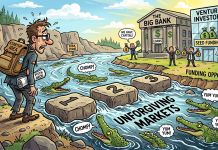
For many small business owners, applying for a loan can feel intimidating, confusing, or even frustrating. The truth is that most loan denials are not about the business being “bad” — they’re about readiness. The best strategy for getting a business loan is learning how lenders think and preparing your business to meet those expectations before you apply. You don’t have to learn to read minds. The fundamentals are all here.
1. Start by Thinking Like a Lender
Lenders are not looking for perfection — they are looking for clarity, capacity, and confidence. Their primary question is simple: Can this business reasonably repay the loan as agreed?
To answer that, lenders evaluate cash flow, financial history, management strength, and risk. When business owners understand this mindset, loan preparation becomes much more strategic and far less personal.
2. Cash Flow Is King
Profit matters, but cash flow matters more. Lenders want to see that your business generates enough consistent cash to cover operating expenses and loan payments. This is often measured through ratios like Debt Service Coverage (DSCR).
A strong strategy is to prepare realistic cash-flow projections that show how the loan will support revenue, efficiency, or growth — not just plug a hole.
3. Be Loan-Ready Before You Apply
Successful borrowers don’t wait until they urgently need money. They prepare in advance by:
- Keeping financial statements up to date
- Filing taxes on time
- Understanding their credit profile
- Organizing key documents (financials, business plan, use of funds)
Being prepared signals strong management — something lenders value as much as the numbers.
4. Know Why You Need the Loan
One of the most common mistakes applicants make is being vague about how funds will be used. A strong application clearly explains:
- What the money is for
- How it will help the business
- How it will generate or protect cash flow
Loans tied to growth, efficiency, or long-term stability are supportable. Requests for loans taken out of desperation are typically denied because the business is usually in a weak financial condition.
5. Understand the Difference in Loan Types
Not all financing fits every need. Lines of credit work well for short-term cash-flow swings, term loans support equipment or expansion, and owner-occupied commercial mortgages help businesses build long-term equity. Matching the type of loan requested to the business purpose improves approval odds and long-term success.
6. Relationships Matter
Community lenders and U.S. Treasury-certified Community Development Financial Institutions (CDFIs) like CEDF take time to understand your story. Open communication, honesty about challenges, and a willingness to learn go a long way. Even if you’re not approved today, the process can position you for success tomorrow.
Final Thought
Getting a business loan isn’t just about filling out an application — it’s about preparation, strategy, and mindset. When you think like a lender and position your business accordingly, financing becomes a tool for growth, not a hurdle.